


Empty cart
No products in the cart.
Return to Shop
Hair Scarves
Hair Scarves Collection
A hair scarf is one of those small buys that quietly changes your hair days. Wrap your strands in smooth silk or satin overnight and you wake to less frizz, fewer tangles, and hair that holds its style. Tie one over a ponytail and you get a neat, protective finish that looks intentional. This collection focuses on hair-friendly fabrics that glide instead of grip, so your ends stay smooth and your edges stay put. If you have been looking for a hair scarf for women that does its job without pulling, you are in the right place.
Function comes first here, though the prints make these easy to style too. Below is everything you need to pick the right one and tie it so it actually protects your hair.
Why a silk or satin hair scarf protects your hair
Cotton and rough fabrics tug at the hair cuticle and soak up the natural oils that keep strands soft. Silk and satin do the opposite. Their smooth surface lets hair slide rather than snag, so you lose fewer strands to friction and keep more of your scalp's moisture where it belongs. That is the core reason a silk hair scarf has become a haircare staple, not just an accessory.
The benefit shows up most at night. A cotton pillowcase creates constant friction as you move in your sleep, which roughens the cuticle and leads to frizz and split ends over time. Wrapping the hair in a satin scarf for hair before bed removes that friction entirely, so curls hold their shape and blowouts last longer.
For anyone with textured, curly, or chemically treated hair, this matters even more. Those hair types are drier by nature, and a smooth wrap helps lock in the oils and creams you apply, stretching the life of a wash-and-style routine.
Hair scarf styles: headband, ponytail wrap and full cover
The headband style is the quickest. Fold a square or rectangular scarf into a thin band, lay it along the hairline, and tie it at the nape or on top for a knotted finish. It keeps flyaways down and adds a pop of print to an everyday look, and it doubles as a light bandana hair scarf for casual days.
The ponytail wrap dresses up a simple tie. Gather the hair, secure your elastic, then wrap a thin scarf around the base and knot or bow it so the ends trail down. A ponytail hair scarf hides the elastic and protects the hair at the point where breakage often starts. It is a favourite among girls and works on braids too.
Full cover is the protective option. Lay a larger square over the head, bring the ends back, and tie them to enclose all of your hair, which is how most people wrap for sleep. Hair scarf styles like this also suit deep-condition days, keeping a mask warm and off your clothes. Our bandana headbands cover the smaller, everyday tie styles if that is what you are after.
Silk vs satin for hair, which to pick
Both fabrics are smooth enough to protect hair, so the choice comes down to material and budget. Silk is a natural protein fibre, breathable and temperature-regulating, which means it stays cool in summer heat and does not trap sweat against the scalp. A silk scarf for hair is the premium pick and tends to last for years with care. Explore our wider silk scarves if you want that natural fibre.
Satin is a weave, usually made from polyester, and it delivers the same slippery, snag-free surface at a lower price. The trade-off is breathability, since satin is warmer and less absorbent than silk, though many people find that difference small in practice. For a first hair scarf, satin is a sensible, affordable way to test the benefit.
If you live somewhere hot and humid, lean toward silk for the airflow, and a summer hair scarf in fine silk feels noticeably cooler on the scalp. If you mostly want overnight protection on a budget, satin does the job well. An image alt like "woman tying a silk hair scarf over a ponytail" helps shoppers picture the fit before buying.
How to tie a hair scarf so it holds without breakage
Start by tying over dry or barely damp hair, since wet hair stretches and breaks more easily under tension. Keep the knot loose enough to slip a finger under it. A too-tight wrap defeats the purpose, pulling at the roots and stressing the very strands you want to protect.
For a secure overnight wrap, gather your hair loosely at the crown or nape, lay the scarf over the head, cross the ends at the back, and bring them to the front to tie a soft knot. This holds through the night without a hard pull. If you have long hair, loosely coiling it first keeps the ends tucked and tangle-free.
For a ponytail or bun, tie the scarf around the base with a single knot or a bow rather than a tight double knot, so removing it in the morning does not snag. Silk and satin slip loose easily, which is part of why they cause less breakage than elastic or cotton ties.
Choosing colours and prints
Solid colours are the easy team players. A black, cream, or deep jewel-toned scarf slips into any outfit and works for both sleep wear and daytime styling. If you want one scarf to do everything, a neutral solid is the safe start.
Prints bring the personality. Florals, polka dots, and geometric patterns turn a hair scarf for girls into an accessory rather than just protection, and a bright bandana hair scarf reads playful with jeans or a casual kurta. Girls hair scarves often come in softer pastels and smaller prints sized for a comfortable fit.
Buying two or three, one solid and one or two prints, covers most needs. Keep the solid for sleep and the prints for days you want the scarf on show.
Delivery and cash on delivery in Pakistan
Hair scarf prices in Pakistan depend mostly on the fabric. Satin options are the most affordable and a great entry point, while pure silk costs more for the natural fibre and its longer life. Each listing shows a clear price, so you can choose the material that fits your budget without guesswork.
We deliver across Pakistan, usually within a few working days to major cities and a little longer to remote areas. Cash on delivery lets you pay when the parcel arrives, and secure card checkout is there if you prefer to pay ahead. Easy returns keep the purchase low risk if the size or shade is not what you hoped.
Give your hair the smoother night it deserves. Pick your silk or satin, choose your colour, and check out with COD. For fuller coverage, browse our head scarves or start from the head scarves homepage.
Frequently Asked Questions
Does a silk hair scarf really reduce hair breakage?
Yes. Silk has a smooth surface that lets hair slide instead of snagging, which cuts the friction that causes breakage, frizz, and split ends. It also helps the hair keep its natural oils rather than drying out. The effect is most noticeable overnight, when a cotton pillow would otherwise roughen the cuticle.
How do I tie a hair scarf on a ponytail?
Secure your ponytail with an elastic first, then wrap a thin scarf around the base and finish with a soft knot or bow so the ends trail down. Keep it loose enough to remove without pulling. This hides the elastic and protects the hair at the point where breakage often starts.
Is silk or satin better for hair?
Both protect hair with their smooth surface, so the choice is about material and budget. Silk is a breathable natural fibre that stays cool and lasts for years, making it the premium option. Satin gives a similar snag-free finish at a lower price, though it is warmer and less absorbent.
What size hair scarf should I buy?
For headband and ponytail styles, a thin rectangular scarf or a small square around 20 to 26 inches works well. For full overnight coverage, choose a larger square of 30 inches or more so it encloses all your hair. Girls and shorter hair suit the smaller sizes for a neater fit.
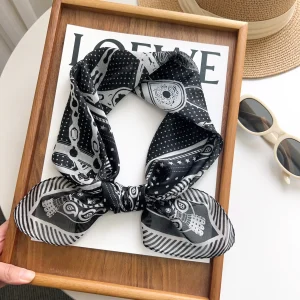
Black Aura Satin Silk Neck Scarf
₨ 1,940Black Satin Silk Neck Scarf, 70 x 70 cm in satin silk polyester. Light, breathable and simple to style. Free delivery on orders over Rs. 6,000.
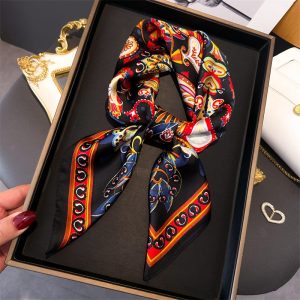

Black Elegance Satin Silk Neck Scarf
₨ 1,450Black Satin Silk Neck Scarf, 70 x 70 cm in satin silk polyester. Soft, easy to wrap and colourfast. Nationwide delivery, easy 7-day exchange.


Black Elegance Satin Silk Neck Scarf 2
₨ 1,440Black Satin Silk Neck Scarf, 70 x 70 cm in satin silk polyester. Soft, easy to wrap and colourfast. Order online — free shipping over Rs. 6,000.
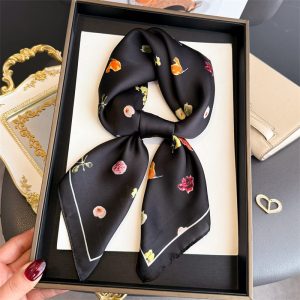

Black Elite Satin Silk Neck Scarf
₨ 1,520Black Satin Silk Neck Scarf, 70 x 70 cm in satin silk polyester. Wraps without bulk and washes well. Order online — free shipping over Rs. 6,000.

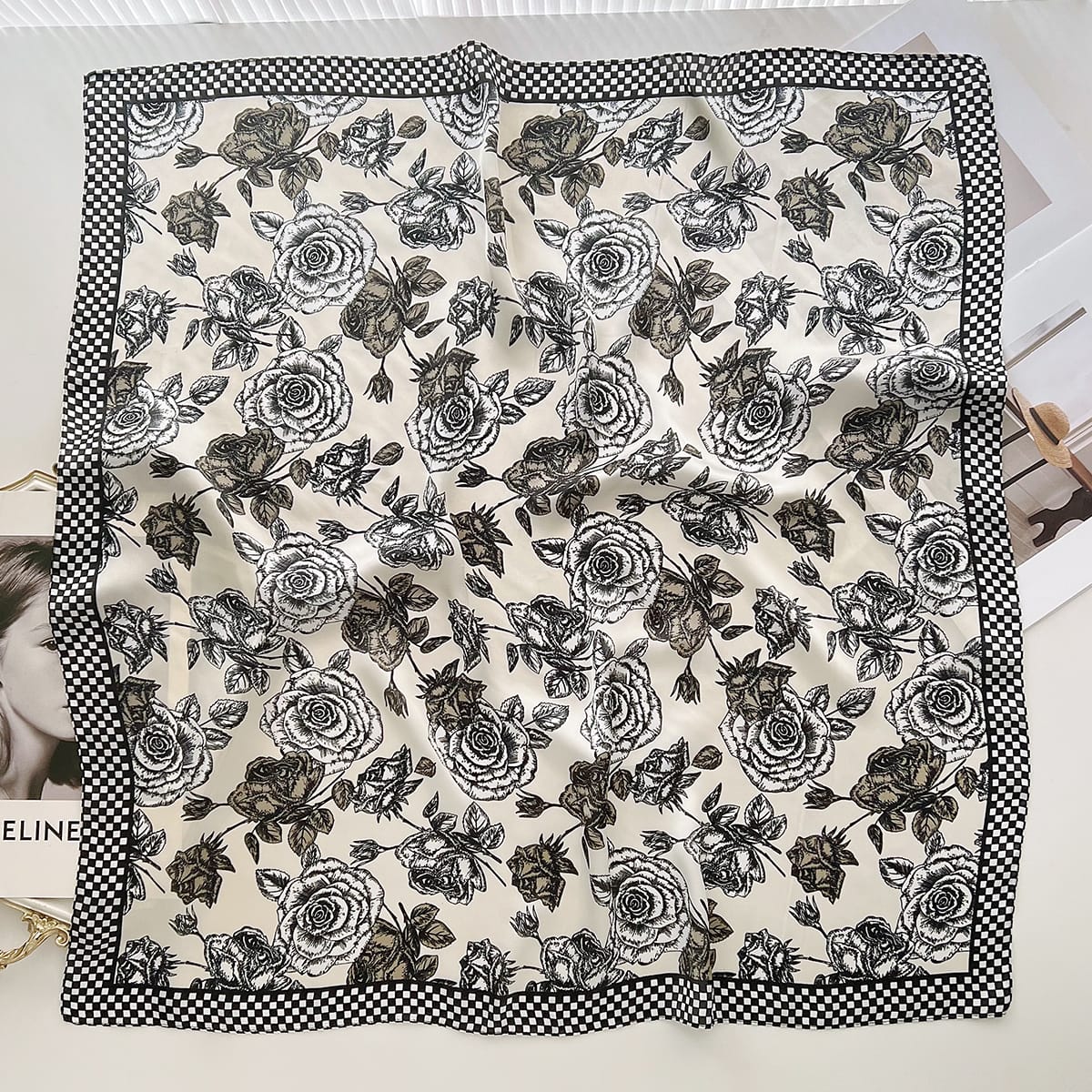
Black Luxe Satin Silk Neck Scarf
₨ 1,570Black Satin Silk Neck Scarf, 70 x 70 cm in satin silk polyester. Light, breathable and simple to style. Cash on delivery across Pakistan.
Black Mystique Satin Silk Neck Scarf
₨ 1,440Black Satin Silk Neck Scarf, 70 x 70 cm in satin silk polyester. Smooth finish, neat edges, everyday comfort. Order online — free shipping over Rs. 6,000.

Black Mystique Satin Silk Neck Scarf 2
₨ 1,500Black Satin Silk Neck Scarf, 70 x 70 cm in satin silk polyester. Light, breathable and simple to style. Nationwide delivery, easy 7-day exchange.


Black Prime Satin Silk Neck Scarf
₨ 1,580Black Satin Silk Neck Scarf, 70 x 70 cm in satin silk polyester. Soft, easy to wrap and colourfast. Cash on delivery across Pakistan.
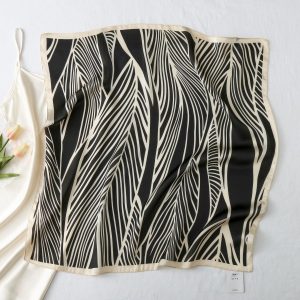
Black Radiant Satin Silk Neck Scarf
₨ 1,470Black Satin Silk Neck Scarf, 70 x 70 cm in satin silk polyester. Light, breathable and simple to style. Order online — free shipping over Rs. 6,000.

Black Radiant Satin Silk Neck Scarf 2
₨ 1,400Black Satin Silk Neck Scarf, 70 x 70 cm in satin silk polyester. Drapes cleanly and holds its colour wash after wash. Cash on delivery across Pakistan.
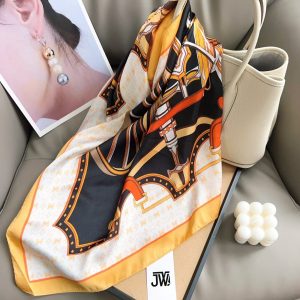
Black Royal Satin Silk Neck Scarf
₨ 1,520Black Satin Silk Neck Scarf, 70 x 70 cm. Drapes cleanly and holds its colour wash after wash. Nationwide delivery, easy 7-day exchange.

Black Royal Satin Silk Neck Scarf 2
₨ 1,430Black Satin Silk Neck Scarf, 70 x 70 cm. Drapes cleanly and holds its colour wash after wash. Delivered nationwide with cash on delivery.