
Empty cart
No products in the cart.
Return to Shop
Pashmina & Cashmere Scarves
Pashmina & Cashmere Scarves Collection
Wrap a genuine pashmina scarf around your shoulders on a cold Islamabad morning and you understand the fuss. The fibre is finer than human hair, so it traps warmth close without weight, and it drapes soft against the neck instead of scratching. Our collection brings together pashmina and cashmere pieces for real winters and real occasions, from a daily commute layer to a wrap you carry through a whole wedding season. Warm, light, and cut for coverage that stays modest.
These are the scarves you keep for years. Buy well once and a good pashmina outlasts a drawer full of cheaper synthetics.
Pashmina and cashmere, the warmest luxury you can wrap up in
Both fibres come from goats bred in high, cold mountains, where thin air forces the animal to grow an ultra-fine undercoat. That fineness is the whole point. Thin fibres pack together tightly, trap more still air, and hold heat far better than thick sheep wool of the same weight. A cashmere scarf can be light enough to pull through a ring yet warmer than a chunky knit.
Pashmina is the finest grade of this cashmere, traditionally hand-spun and woven, prized for its softness and the way it takes deep colour. The two words overlap in everyday use, and for a shopper the practical difference is simply weight and finish. Both give you that light, insulating warmth that reads as luxury the moment it touches your skin.
For modest wear this matters. You get full shoulder and head coverage in a fabric that never feels bulky, so it layers cleanly over a kameez or a coat without adding bulk at the neck.
How to tell real pashmina and cashmere from imitations
The market is full of viscose and acrylic passed off as the real thing, so a few checks are worth knowing. Genuine cashmere feels warm to the touch straightaway and has a soft, slightly matte look rather than a shiny synthetic gleam. Rub it briskly between your palms and real fibre produces no static and no plastic squeak.
The burn test is the surest. Snip a few fibres from a fringe, hold a flame to them, and real pashmina or cashmere burns slowly to a soft grey ash that crumbles and smells of burnt hair, because it is protein. Acrylic melts, beads into hard plastic, and smells chemical. There is also the ring test, since a fine authentic shawl will pull smoothly through a finger ring where a stiff synthetic snags.
Look closely at the weave too. Handloom pashmina shows tiny natural irregularities and a light, uneven fringe, while machine synthetics look uniform and perfect. A printed cashmere scarf should still show that soft matte hand under the pattern, not a slick surface.
Everyday warmth vs occasion and bridal wraps
There are really two ways women wear these. The everyday pashmina is your winter workhorse, a solid or lightly patterned scarf you loop over a coat, wrap as a warm hijab, or throw across the shoulders indoors when the heating is weak. Neutral tones and deep solids earn the most wear here.
The occasion piece is a different animal. A finely woven pashmina shawl scarf with an embroidered or jamawar border becomes a bridal and event wrap, the kind passed between sisters and worn to every winter wedding. These sit alongside our Wedding & Party Scarves for anyone dressing for the season. A pashmina scarf hijab in a soft solid also works beautifully under heavier occasion dupattas, adding warmth without breaking the outfit.
If you want lighter drape for milder days, silk is the natural companion piece, and our Silk Scarves cover that end. For the fuller winter range, the Winter & Wool Scarves collection sits right beside this one.
Draping a pashmina shawl-scarf elegantly
A large pashmina, usually around 70 by 200 cm, gives you room to play. For a simple warm drape, fold it lengthwise, lay it across the back of the neck with one end longer, then wrap the long end once around and let it fall. It settles into soft folds on its own.
For head coverage, centre the scarf over the head, cross the ends under the chin, and take them back to knot loosely at the nape. Pashmina holds a fold well, so the shape stays without gripping the face. A single pin at the shoulder keeps a shawl in place through a long event.
For a fuller occasion look, wear it open across both shoulders like a stole, letting the border show at the front. The weight of a good pashmina keeps it sitting where you place it rather than sliding off.
Caring for pashmina and cashmere
These fibres are delicate but forgiving if you are gentle. Hand wash in cool water with a little baby shampoo or wool wash, never hot water and never regular detergent. Swirl softly, do not rub or wring, since agitation felts the fibres and ruins the hand.
Press the water out flat between towels, then dry lying flat and away from direct heat and sun. Never hang a wet cashmere scarf, because the weight of the water stretches it out of shape. Store it folded with a cedar block or a moth sachet, as natural fibre is exactly what moths look for in a warm cupboard.
Small bobbles are normal on real cashmere and easy to fix. Lay the scarf flat and use a cashmere comb or a soft razor to lift the pills gently, and the surface comes back smooth.
Pricing, delivery and cash on delivery in Pakistan
Genuine fibre costs more than synthetics, and it should, because it lasts. The cashmere scarf price in Pakistan varies with fibre grade, weave, and any handwork on the border, and we state clearly which pieces are pure cashmere, pure pashmina, or a blend. You always know what you are paying for, and each pashmina scarf image alt on our product pages names the exact fibre and size.
We deliver pashmina and cashmere scarves across Pakistan with cash on delivery, so you pay when the parcel arrives. Standard delivery is a few working days to major cities and a little longer for remote areas. Checkout is secure, returns are easy, and if the shade is not right you can send it back.
Browse the full range, pick your warmth, and start from our head scarves homepage to see the wider everyday collection. Add to cart and choose COD at checkout.
Frequently Asked Questions
How can I check if a pashmina is real?
Feel it first, since real pashmina is warm, soft, and matte rather than shiny. The ring test helps, as a fine authentic shawl pulls smoothly through a finger ring. For certainty, burn a few fringe fibres, and genuine pashmina turns to grey ash smelling of burnt hair while a synthetic melts into hard plastic.
What is the price of a pashmina scarf in Pakistan?
The pashmina scarf price depends on fibre grade, whether it is pure or blended, and any embroidery or jamawar border. Everyday solids sit lower, while fine bridal shawls with handwork cost more. We list the fibre and finishing on every product so the price is transparent.
Is cashmere warmer than wool?
Yes, gram for gram cashmere is warmer than standard sheep wool because the fibre is much finer and traps more still air. It also weighs far less, so you get more warmth without the bulk or the itch. That is why a light cashmere scarf can outperform a heavier woollen one.
How do I wash a cashmere scarf?
Hand wash it in cool water with baby shampoo or a wool wash, swirling gently and never rubbing or wringing. Press the water out flat between towels, then dry the scarf lying flat away from heat and sun. Never hang it wet, as the water weight stretches the fibres out of shape.
Ready for real warmth this winter? Choose your pashmina or cashmere piece, add it to the cart, and check out with cash on delivery across Pakistan.


Red Cashmere Hijab
₨ 1,070Red Cashmere Hijab in premium cashmere. Comfortable all day, no slipping or itching. Ships in 1 working day, COD available.

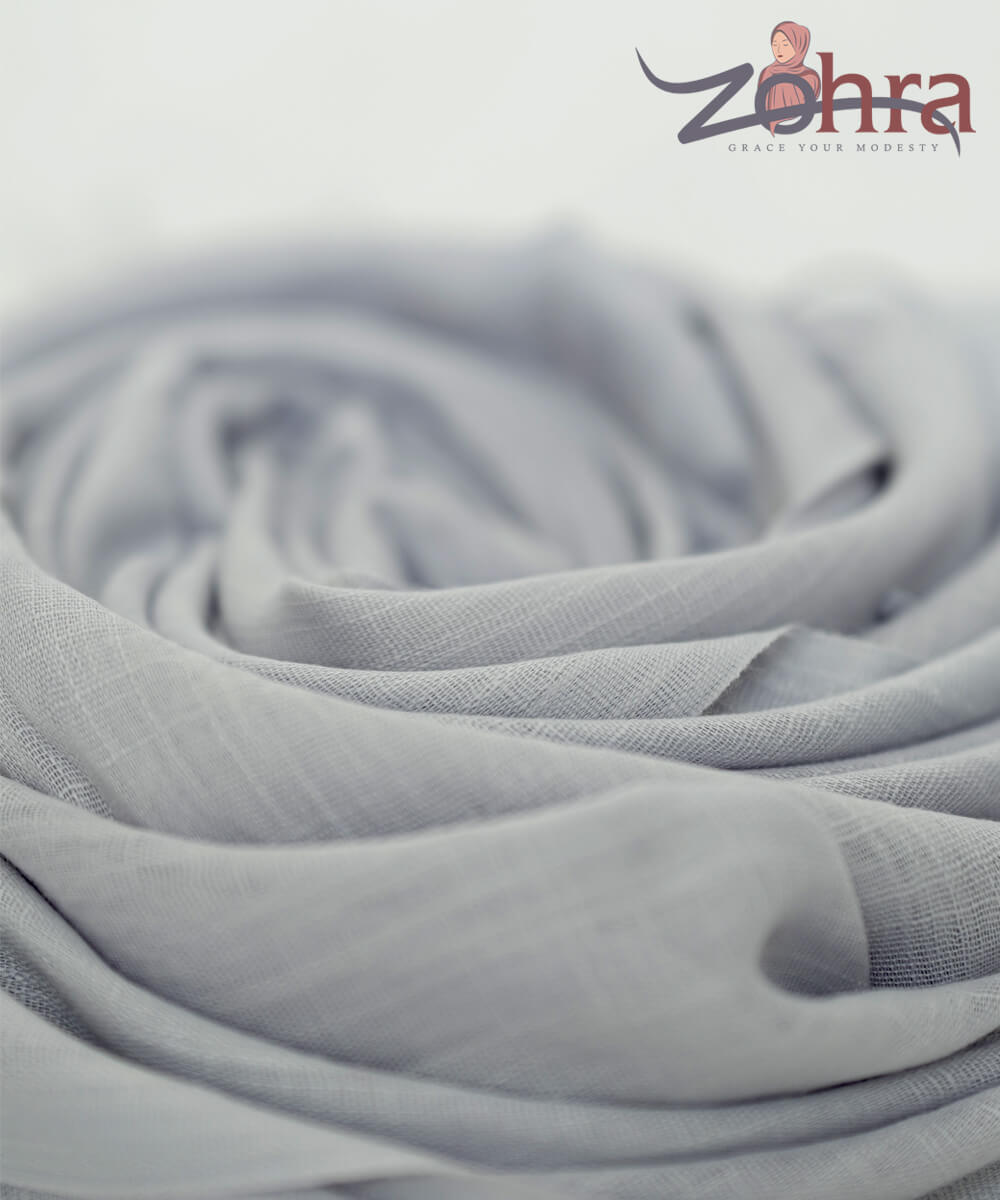
Silver Cashmere Hijab
₨ 900Silver Cashmere Hijab in premium cashmere. Comfortable all day, no slipping or itching. Ships in 1 working day, COD available.


Yellow Cashmere Hijab
₨ 890Yellow Cashmere Hijab in premium cashmere. Soft, easy to wrap and colourfast. Cash on delivery across Pakistan.